
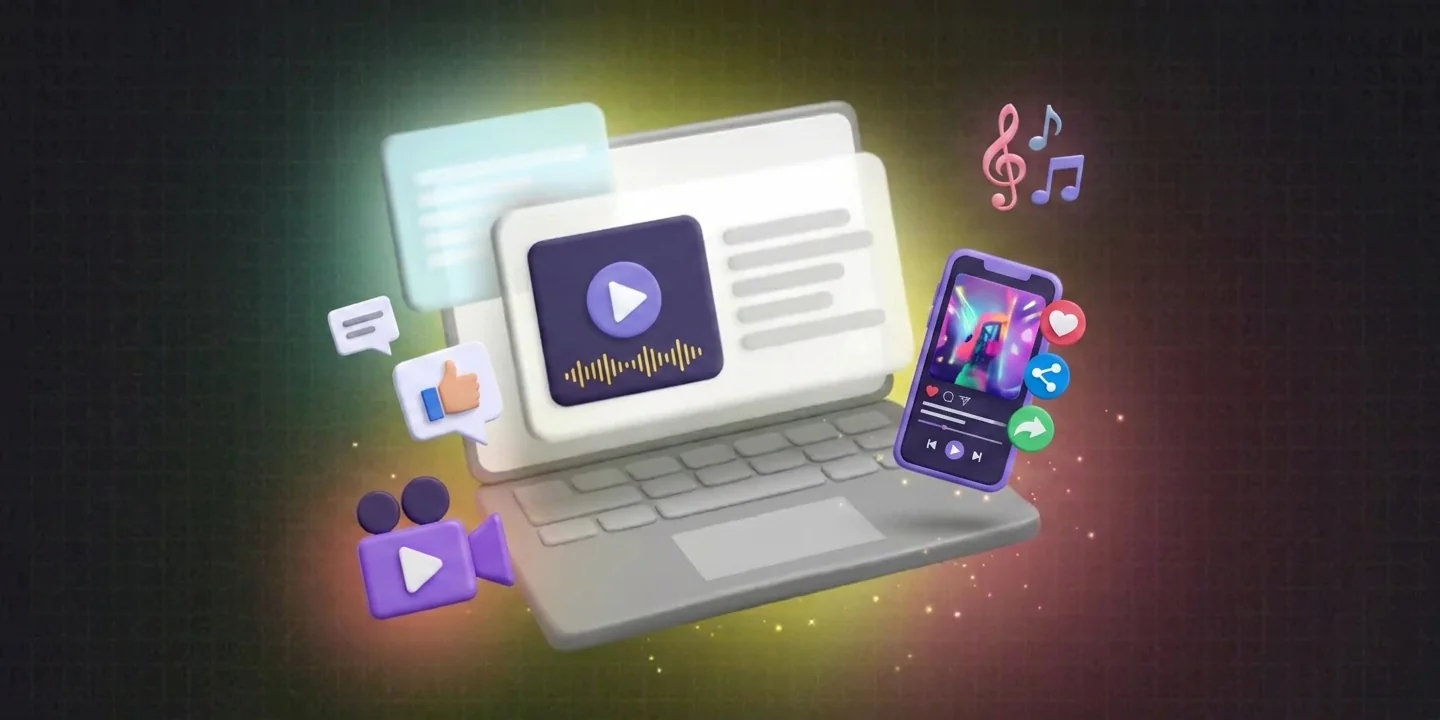
Music-video-style creator ads have gone from a quirky experiment to a genuine line item in serious marketing budgets. The pitch is simple enough: brief an influencer to build a mini music video where the product, the plot, and the beat are all one thing, not three separate elements bolted together. In practice, the format is reshaping how mobile marketers think about holding attention when every feed is a competition. Here is the thing, though. Understanding why it works is only half the job. Knowing how to actually deploy it is where most teams get stuck.
Why Narrative-Driven Creator Content Wins Attention
Audiences ignore ads. They finish stories. That is not a philosophy, it is observable behavior you can see in any completion-rate dashboard. When a creator drops a product into a song with a real arc, some tension early on and a satisfying payoff at the end, viewers hang around for the resolution rather than swiping toward something else. That pull is the core reason music-integrated influencer content keeps outperforming static promotional posts on retention metrics, and by margins that tend to surprise clients seeing it for the first time.
Video already dominates consumption everywhere that matters. According to HubSpot research on video consumption, short-form video delivers the highest ROI of any content format for marketers right now. Layer a musical hook over a solid narrative structure and you compound that advantage, because sound and story together activate memory in ways that visuals alone genuinely cannot replicate.
The mechanics matter more than most brands ever bother to map out. A strong opening beat functions like a headline. The verse builds context. The drop is where the product reveal lives. Marketers who actually understand storytelling frameworks can hit those emotional peaks on purpose, rather than hoping a creator stumbles into something good by accident.
How Music-Integrated Ads Boost Mobile Engagement
Sound is the real engine here, and it is easy to underestimate. Most mobile feeds default to audio-on for creator content now, which means a catchy original track gives viewers a concrete reason to unmute and stay put. When a hook actually lodges in memory, it drives repeat views, shares, and sometimes user-generated remixes that stretch a campaign’s reach without a single additional dollar in media spend. That last part is worth sitting with for a moment.
Platforms actively reward this behavior. TikTok’s guidance inside the TikTok Creative Center is consistent on this point: sound-led, native content sees stronger completion and interaction rates across the board. On mobile, where thumbs move fast and attention is genuinely scarce, rhythm combined with narrative slows the scroll just long enough for your message to actually land.
For app marketers, there is an additional wrinkle worth addressing. Music-video-style ads raise engagement higher up the funnel, but that momentum only carries if your app preview videos and screenshots match the energy of whatever creator content drove the click. A jarring tonal drop between the ad and the product page kills conversion reliably. Consistency across the full journey is not optional.
Building a Creator Network for Music-Led Campaigns
Scaling this format starts with finding the right people, and that is harder than it sounds. Not every influencer can perform convincingly to a beat or carry a narrative on camera. What we have seen is that brands increasingly source specialists through a creator network built around actual performance range, vetted for musical or theatrical ability before any brief goes out. The best partners bring their own audio identity to a project, and that authenticity is something scripted, brand-produced music almost never achieves.
When you brief creators, give them genuine creative latitude on the sound while keeping your core message non-negotiable. The tracks that actually get shared feel like the creator’s own work, not a jingle handed down from a brand. This is where influencer marketing strategy and music supervision start to overlap in interesting ways. You are essentially curating collaborators who can compose, perform, and cut a coherent narrative inside a single vertical clip.
Licensing deserves real attention early. Original creator-made music sidesteps the headaches that come with commercial tracks and typically gives you full usage rights across paid and organic placements. That flexibility matters enormously when a strong clip needs to be boosted, localized for a new market, and repurposed on a tight timeline, which is almost always the situation when something actually performs.
Production Workflows That Keep Costs Efficient
Music-video-style ads sound expensive. In practice, disciplined production keeps budgets reasonable. The key is concentrating effort on the hook and the reveal, the two moments that actually decide performance, and resisting the urge to over-polish everything in between. In our experience, an iterative production workflow lets you ship variations fast, measure what is working, and double down on winners before the moment passes.
Volume beats perfection here, full stop. Because a single track can anchor dozens of edits, a small team can test different openings, captions, and product placements against the same audio bed without rebuilding from scratch each time. This is where A/B testing creatives becomes a genuine growth lever rather than a box-ticking exercise. Small changes in the first two seconds routinely swing completion rates by amounts that surprise even experienced media buyers who have seen this before.
Equipping the team properly matters too. The right production tools for editing, audio syncing, and captioning let a lean crew produce broadcast-quality clips at social speed. Motion-aware and rhythm-aware editing software makes it far easier to cut visuals precisely to the beat, which is exactly what separates a polished music-style ad from a track dropped carelessly over unrelated footage.
Measuring Performance and Optimizing Creator Ads
Engagement only matters when it connects to real outcomes. Track completion rate, share rate, and sound-on percentage as your leading indicators, then connect those signals to installs, sign-ups, or purchases downstream. What we have seen consistently is that the creators and hooks driving saves and shares almost always outperform on lower-funnel metrics too. Use those early signals to reallocate spend before you burn budget on underperformers.
Broader market data backs the investment. eMarketer’s influencer spending forecasts show sustained double-digit growth in creator budgets year over year, and Statista’s influencer advertising outlook projects the global market climbing well into the tens of billions. Brands are not chasing novelty here. They are following measurable returns.
Optimization has to be continuous, not a one-time audit you run at the end of a quarter. Refresh hooks before fatigue sets in, localize tracks for new markets using AI creative localization, and retire underperformers without sentimentality. Our own breakdown of video marketing effectiveness confirms that video remains a high-conversion format, but only when you treat every clip as a hypothesis to be tested rather than a finished asset to be admired.
What Mobile Marketers Should Do Next
Start small and specific. Pick one product moment that is genuinely worth celebrating, brief a single creator to build a short narrative around an original hook, and cut three to five variations from it. Measure completion and share rate before you scale spend. Then systematize: build a repeatable brief, a trusted roster of musical creators, and a testing cadence that feeds winners into paid channels on a regular schedule.
Do not neglect the destination either. If a music-video ad drives a spike in traffic, your store listing has to sustain that momentum or you will watch conversions fall off a cliff. Align the tone across every asset, from the hero video to your app screenshots, so the story that hooked the viewer continues all the way to install. That end-to-end coherence is what converts a viral moment into durable, compounding growth rather than a one-week blip in the dashboard.
Conclusion
Music-video-style creator ads work because they fold story, sound, and product into a single native, shareable unit. For mobile marketers, the path forward is not complicated: pair the right creators with original hooks, test relentlessly, and keep the tone consistent from feed to store page. Do that on a real cadence and you will turn fleeting attention into measurable installs. Start with one clip. Scale what earns it.
FAQs
What is a music-video-style creator ad?
It is influencer content structured like a short music video, combining an original or licensed track with a narrative arc that builds toward a product reveal. The format uses rhythm and story together to hold attention far longer than a standard promotional post would.
Why does music improve engagement on mobile?
Most social feeds play creator content with sound on by default, so a catchy hook gives viewers a real reason to stay and keep listening. Music also strengthens memory and encourages shares and remixes, which extends organic reach without additional media spend.
Do I need licensed music or can creators make their own?
Both approaches can work, but original creator-made tracks are usually the stronger choice. They sidestep commercial licensing complications, feel more authentic to audiences, and typically come with full usage rights across paid and organic placements. That makes scaling and localizing significantly simpler down the road.
How do I measure the success of these campaigns?
Completion rate, share rate, and sound-on percentage are your best early signals. Track those first, then connect the numbers to installs, sign-ups, or purchases further down the funnel. Bottom line: shift budget toward the hooks and creators that drive strong engagement and solid lower-funnel results at the same time, because in our experience, the two tend to travel together.
How many ad variations should I test?
Start with three to five edits built on the same track, varying the opening seconds, captions, and product placement. The first two seconds largely determine whether a viewer stays or leaves, so even small changes there can produce surprisingly large swings in completion rate. Test aggressively before committing to scale.


Related Articles

AI Creative Localization for Global App Campaigns


Iterative Mobile Ad Production With the 80% Workflow