ChatGPT App Directory Explained: What Brands Need to Know

Here’s a number worth sitting with: ChatGPT now has over 800 million weekly active users. And with the launch of the ChatGPT App Directory in December 2025, OpenAI turned that massive audience into something brands can actually tap into. The old GPT Store was interesting, sure, but it was limited to prompt-based customizations. The new App Directory is a different animal entirely. It supports full third-party integrations built on the Apps SDK and Model Context Protocol (MCP), which means your app can live inside a ChatGPT conversation and do real things for real users.
If you’re a marketer, product lead, or growth strategist, this is a channel you need to understand. Let’s break down what the App Directory is, how to get listed, how to optimize for discovery, and what monetization looks like right now.
What Is the ChatGPT App Directory?
First, let’s clear up a common misconception. A ChatGPT app is not a standalone mobile application you download from the App Store. According to OpenAI’s developer documentation, it’s a set of well-defined tools that can perform tasks, trigger interactions, or access data directly within a ChatGPT conversation. Think of it less like an app on your phone and more like a skill that ChatGPT can call on when a user needs it. There are no screens to navigate or buttons to learn. Users just talk, and the right tool shows up at the right moment.
The directory itself is accessible through the ChatGPT tools menu or directly at chatgpt.com/apps. It’s organized into categories like Featured, Lifestyle, and Productivity. Connecting to an app takes just a couple of clicks, and once set up, you can trigger apps by mentioning them by name, picking them from the tools menu, or letting ChatGPT recommend them contextually.
The companies already in the directory aren’t small players, either. Spotify, Adobe Acrobat, Canva, Booking.com, Instacart, and Zillow all launched early integrations. A user can ask Spotify to build a playlist for a dinner party, or tell Zillow to surface homes within a specific budget, all without ever leaving the chat.
Why Your Brand Should Care
The numbers tell a compelling story. OpenAI’s annual recurring revenue hit $13 billion by mid-2025, and the mobile app alone generated $2.48 billion that year. This tells us that a significant chunk of these people are paying subscribers, which means putting your app in front of them is putting it in front of users who have already demonstrated a willingness to spend on digital tools.
But the real shift isn’t just about audience size. It’s about how discovery works. In a traditional app store, users actively search for solutions. In the ChatGPT ecosystem, your app can be surfaced contextually during a conversation without the user ever having to look for it. Someone’s discussing meal planning? ChatGPT might suggest a grocery delivery app. Brainstorming a presentation? A design tool could pop up. This move from search-driven to context-driven discovery is a fundamentally different model, and a significant opportunity for brands that position themselves early.
How to Get Your App Into the Directory
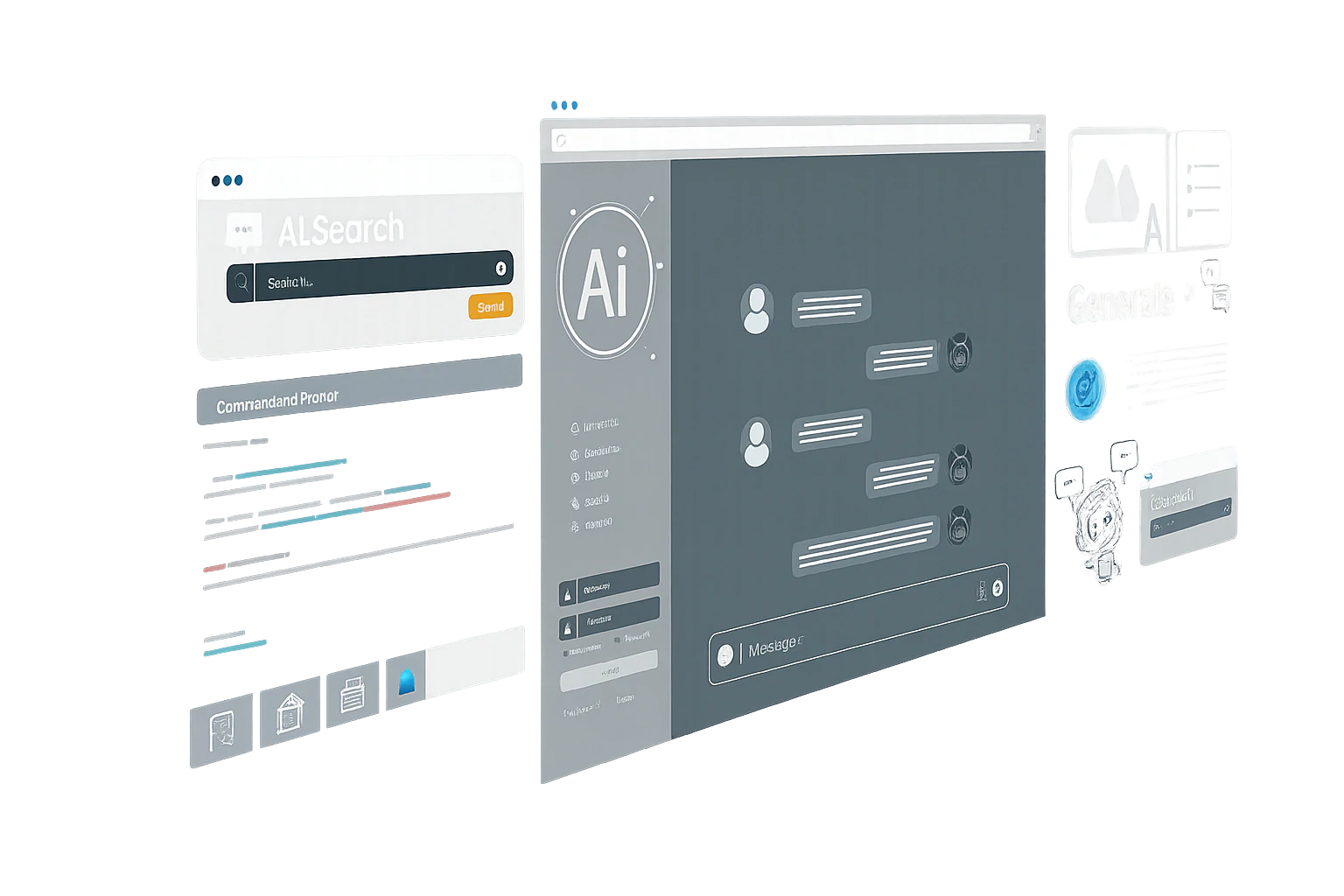
Getting listed starts with a verified developer account on the OpenAI Developer Platform. Both individuals and organizations can apply. Before building, read through OpenAI’s submission guidelines thoroughly. Apps that don’t meet quality and safety standards will be rejected, and you can only have one version under review at a time.
Your submission package needs to include:
- An app icon, name, and verified website
- Short and long descriptions
- Screenshots demonstrating the experience
- A configured MCP server
- Detailed test cases proving the app works on both web and mobile
OpenAI reviews every submission manually, so expect a process, not a rubber stamp.
One more thing worth internalizing: the strongest apps in this directory are tightly scoped. They do one or two things exceptionally well and feel intuitive in a conversational context. If your app tries to be everything to everyone, it will struggle to surface at the right moments. Focus beats feature count here.
Moburst helps brands navigate emerging platforms from day one.
Get in touch to start the conversation.
Optimizing Your Listing for Discovery
Now for the part that growth teams will care about most. Discovery in the App Directory is still basic compared to Google Play or the Apple App Store. Based on research into GPT Store and App Directory ranking factors, the app name carries the most indexation weight by a wide margin. The short description is also indexed, but long-tail keyword queries don’t surface results reliably yet.
Here’s how to work with the current system:
- Name strategically. Choose a name that clearly communicates what your app does using terms people would naturally search for. This is the single most impactful lever right now. Research top-performing apps in your category, extract common keywords, and build a name that’s both descriptive and memorable.
- Use standalone keywords. In your short description, lean on words that work individually. For example, “budget” and “tracker” might each return results on their own, but searching for “budget tracker” as a single phrase might not reliably surface your app. The search system is still catching up, so individual high-value terms will serve you better than compound phrases for now.
- Don’t try to game it. Stuffing your description with unnecessary terms or prompting triggers can get your app rejected outright. OpenAI favors quality over manipulation, much as Google Play does.
- Invest in a strong logo. A visually distinct icon helps your app stand out when users are browsing the directory. Use simple colors and shapes that are easy to recognize at a glance, and consider using a keyword-rich filename for the image to support discoverability.
Beyond the listing itself, OpenAI uses additional signals to determine which apps to recommend, including conversational context, usage patterns, user preferences, and overall quality. Apps that consistently deliver value and that users come back to will earn more prominent placement over time. Think of it as a reputation system that rewards genuine utility.

AEO Considerations: Getting Recommended by ChatGPT
This is where things get interesting from an Answer Engine Optimization perspective. Traditional AEO focuses on optimizing web content so that AI platforms cite it in their responses. In the App Directory, it takes a different shape. You’re not just trying to get mentioned. You’re trying to get recommended as an actionable tool within a live conversation.
ChatGPT can proactively suggest apps when it determines they’re relevant to a user’s intent. Talking about travel? Booking.com might surface. Discussing home buying? Zillow could appear. The key to being that recommended app is conversational relevance.
To improve your chances:
- Map tools to intents. Think about how your capabilities align with the types of queries users naturally bring to ChatGPT, then write your descriptions with those scenarios in mind.
- Deliver reliable outputs. Make sure your MCP server responses are accurate, well-structured, and consistent. Apps that produce off-target results lose favor quickly in ChatGPT’s recommendation signals.
- Prioritize user experience. OpenAI is experimenting with letting users provide feedback on app suggestions, and that data will likely shape future recommendations. A great experience isn’t just good for retention. It directly impacts future visibility.
Monetization Pathways
Monetization is still evolving, but there are already real options on the table:
- Stripe Instant Checkout is the headline feature. It lets US users buy physical goods directly within the chat, powered by the Agentic Commerce Protocol (ACP) that OpenAI and Stripe co-developed. It’s currently live with select marketplace partners and expanding to over a million Shopify merchants. If you already process through Stripe, enabling agentic payments requires minimal code changes.
- External redirects are the main path for apps that don’t sell physical goods. Your app can link users out to your website or native app to complete purchases, subscribe, or unlock premium features. It adds a bit more friction, but it’s still effective for converting ChatGPT users into paying customers.
- The ACP’s Shared Payment Token API offers an alternative integration path for merchants on payment processors other than Stripe.
Right now, selling digital goods, subscriptions, or in-app services directly through ChatGPT isn’t allowed yet. OpenAI has said they’re exploring additional options, so keep a close eye on this as the platform matures.
Not sure where the ChatGPT App Directory fits in your growth strategy?
Get in touch with us and supercharge your growth today.
Positioning Your Brand for What Comes Next
The ChatGPT App Directory is still in its early stages. Discovery algorithms will get smarter, monetization options will broaden, and the number of competing apps will grow. That’s precisely why now is the time to establish a presence. Early movers on any new platform benefit from lower competition, more forgiving ranking signals, and the compounding advantage of building usage history before the ecosystem gets crowded.
The brands that win here will be the ones that approach it strategically: scoping their app tightly, optimizing with intentional naming, designing for conversational relevance, and treating this as a genuine growth channel rather than a side experiment.
At Moburst, we help brands navigate emerging platforms from day one. Whether you’re evaluating whether the ChatGPT App Directory belongs in your growth strategy, building your first integration, or optimizing an existing listing for maximum visibility, our team has the strategic expertise to make it happen. Get in touch to start the conversation.
Frequently Asked Questions: ChatGPT App Directory
The ChatGPT App Directory is a searchable, in-app marketplace where users can discover and connect third-party apps directly inside ChatGPT. Launched in December 2025, it replaced the earlier GPT Store model with full SDK-powered integrations that can perform tasks, access data, and trigger actions within a conversation. Users can find it in the tools menu or at chatgpt.com/apps, and it’s organized into categories like Featured, Lifestyle, and Productivity. Early partners include Spotify, Canva, Adobe Acrobat, Booking.com, Instacart, and Zillow, each offering conversational access to core product features without users ever leaving the chat.
A ChatGPT app is not a standalone application you download from the App Store or Google Play. It’s a set of tools that works inside the ChatGPT interface, surfacing only when it’s relevant to the conversation. There are no screens to navigate, no buttons to learn, and no separate interface to manage. Users interact with it entirely through natural language. For example, instead of opening a travel app and manually searching for flights, a user could simply tell ChatGPT they’re planning a trip, and the relevant travel app surfaces automatically with personalized suggestions.
Both verified individual developers and organizations with an OpenAI platform account can submit apps. You don’t need to be a company. However, you must complete OpenAI’s verification process before your submission is eligible for review. If verification is incomplete, you’ll receive an error when attempting to submit. Once verified, you can submit through the OpenAI Developer Platform and track your review status from there.
Your submission requires an app icon, name, short and long descriptions, screenshots, a verified website, a configured MCP server, and detailed test cases that demonstrate functionality on both web and mobile. OpenAI expects you to run through every test case before submitting, verify that outputs match the expected results, check for UI issues such as broken images or loading errors, and confirm that responses are relevant and don’t include extraneous information. It’s worth spending real time on this step. Submissions that don’t meet quality and safety standards will be rejected, and you can only have one version under review at a time.
Currently, the app name carries the most indexation weight, with the short description also indexed. The search system is still relatively basic compared to mature app stores, and long-tail keyword searches are not yet reliable. Individual keywords tend to perform better than multi-word phrases. Beyond the listing itself, OpenAI uses additional signals to recommend apps within conversations, including conversational context, usage patterns, user preferences, and overall app quality. Apps that deliver consistent value and that users return to over time will earn more prominent placement. OpenAI has also indicated that high-quality apps may be featured more visibly in both the directory and in conversations, making ongoing performance and user satisfaction a real factor in long-term discoverability.
Yes, but with limitations. For physical goods, Stripe-powered Instant Checkout lets US users purchase directly in the chat interface. This is built on the Agentic Commerce Protocol (ACP), an open standard co-developed by OpenAI and Stripe. Instant Checkout is currently live with select marketplace partners and is expanding to over a million Shopify merchants. For apps that don’t sell physical goods, the main path is an external redirect that sends users to your website or native app to complete the transaction. Selling digital goods, subscriptions, or in-app services directly through ChatGPT is not yet permitted, though OpenAI has said they are actively exploring additional monetization options.
The ACP is an open standard co-developed by OpenAI and Stripe that enables AI agents, consumers, and businesses to complete transactions together. It powers Instant Checkout inside ChatGPT and is designed to work across platforms and payment processors. For merchants already on Stripe, enabling agentic payments can require as little as one line of code. For merchants on other processors, the ACP’s Shared Payment Token API provides an alternative integration path that allows participation without switching your primary payment provider.

Related Articles

App Development Costs in 2026: A Real Breakdown by Platform and Scope

Content Writing for Websites: Where to Start